Archives
- 2026-04
- 2026-03
- 2026-02
- 2026-01
- 2025-12
- 2025-11
- 2025-10
- 2025-09
- 2025-03
- 2025-02
- 2025-01
- 2024-12
- 2024-11
- 2024-10
- 2024-09
- 2024-08
- 2024-07
- 2024-06
- 2024-05
- 2024-04
- 2024-03
- 2024-02
- 2024-01
- 2023-12
- 2023-11
- 2023-10
- 2023-09
- 2023-08
- 2023-07
- 2023-06
- 2023-05
- 2023-04
- 2023-03
- 2023-02
- 2023-01
- 2022-12
- 2022-11
- 2022-10
- 2022-09
- 2022-08
- 2022-07
- 2022-06
- 2022-05
- 2022-04
- 2022-03
- 2022-02
- 2022-01
- 2021-12
- 2021-11
- 2021-10
- 2021-09
- 2021-08
- 2021-07
- 2021-06
- 2021-05
- 2021-04
- 2021-03
- 2021-02
- 2021-01
- 2020-12
- 2020-11
- 2020-10
- 2020-09
- 2020-08
- 2020-07
- 2020-06
- 2020-05
- 2020-04
- 2020-03
- 2020-02
- 2020-01
- 2019-12
- 2019-11
- 2019-10
- 2019-09
- 2019-08
- 2019-07
- 2019-06
- 2019-05
- 2019-04
- 2018-07
-
Although several genomic technologies including the generati
2019-10-05
Although several genomic technologies, including the generation of ERRγ-specific knockout mice, have revealed that ERRγ plays a pivotal role in cellular bioenergetics [1], its involvement in other metabolic pathways has been appreciated only recently. Therefore, we highlight recent findings on the r
-
More recent studies have correlated sPLA V with alternative
2019-10-05
More recent studies have correlated sPLA2-V with alternative macrophage activation (M2) in human and murine macrophages [149,150]. sPLA2-V expression was induced during both human and mouse interleukin-4–mediated activation of macrophages in vitro, and its absence impaired macrophage activation in v
-
This investigation est http www apexbt com media diy images
2019-10-04
This investigation establishes that there is a genetic difference in the enolase loci that correlates with both vegetative growth and virulence phenotypes. DNA sequence analysis of enolase loci from seven P. larvae strains reveals a single SNP that alters the protein sequence at position 331 (Table
-
br Agonist binding ETA activation is promoted
2019-10-04

Agonist binding ETA activation is promoted by binding of the endogenous peptidergic agonists to their orthosteric binding site on the receptor. ET1 and ET2 (Trp6-Leu7-ET1) bind with equal high affinity to ETA, whereas the third endogenous isopeptide ET3 (Thr2-Phe4-Thr5-Tyr6-Lys7-Tyr14-ET1) binds
-
Because of the lack of
2019-10-04
Because of the lack of sequence, current knowledge on the cellular regulation of CoA-IT is scarce. However, recent work has suggested an interesting new role for CoA-IT in regulating the extent of the AA mobilization response in primed macrophages. Bacterial lipopolysaccharide (LPS) is a poor trigge
-
Previous studies demonstrated that cPLA translocates to the
2019-10-04
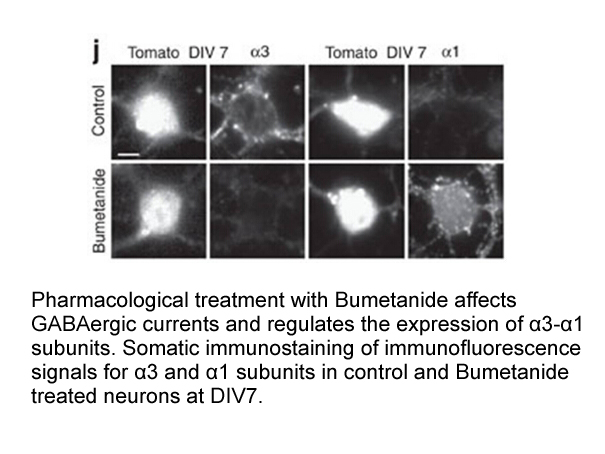
Previous studies demonstrated that cPLA2α translocates to the phagosomal membrane during macrophage phagocytosis through mechanisms that, in humans, involve phosphorylation of the enzyme by c-Jun N-terminal kinases and membrane association via the cationic cluster of four lysine residues present at
-
Oxidation of N hydroxyguanidine by DbH was
2019-10-03
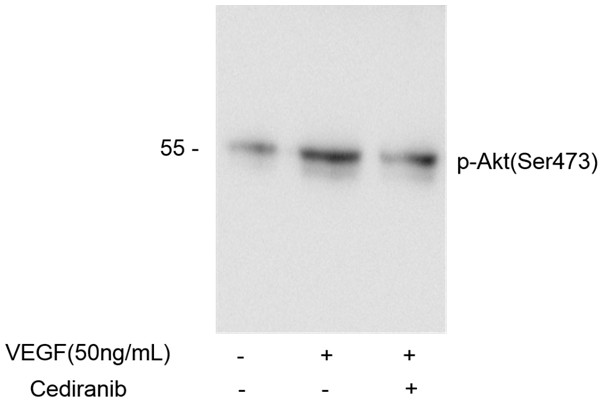
Oxidation of N-hydroxyguanidine 1 by DbH was studied by HPLC and some oxidation products for 1 could be characterized. The compounds generally observed with iron-containing systems are 4-methoxyphenylurea 11 and 4-methoxyphenylcyanamide 12 (Fig. 2). Oxidation of N-(4-chlorophenyl)-N′-hydroxyguanidin
-
Despite the significant associations between TNF and TRAIL i
2019-10-03
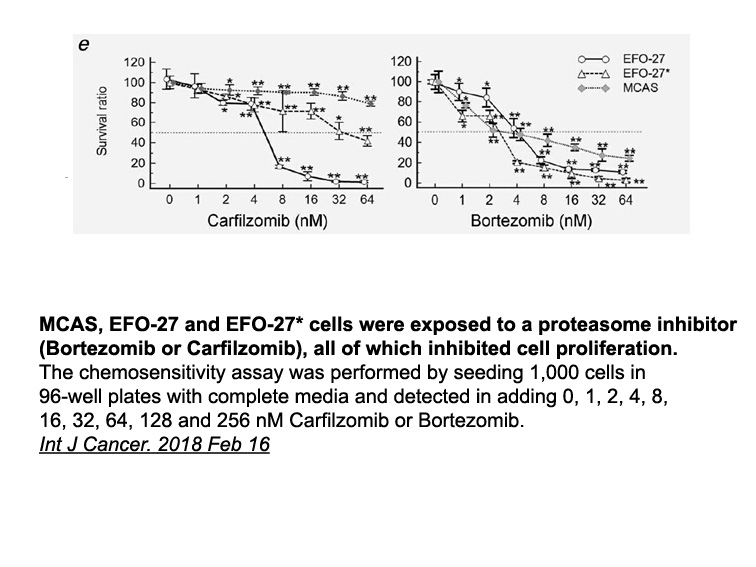
Despite the significant associations between TNF-α and TRAIL in our results, the use of a single top cytokine in predicting sPTB is limited, and the previous study using the specific candidate cytokines failed to accurately predict the risk for sPTB in asymptomatic women, with AUC ranged from 0.48 t
-
This relative lack of ET expression
2019-10-02
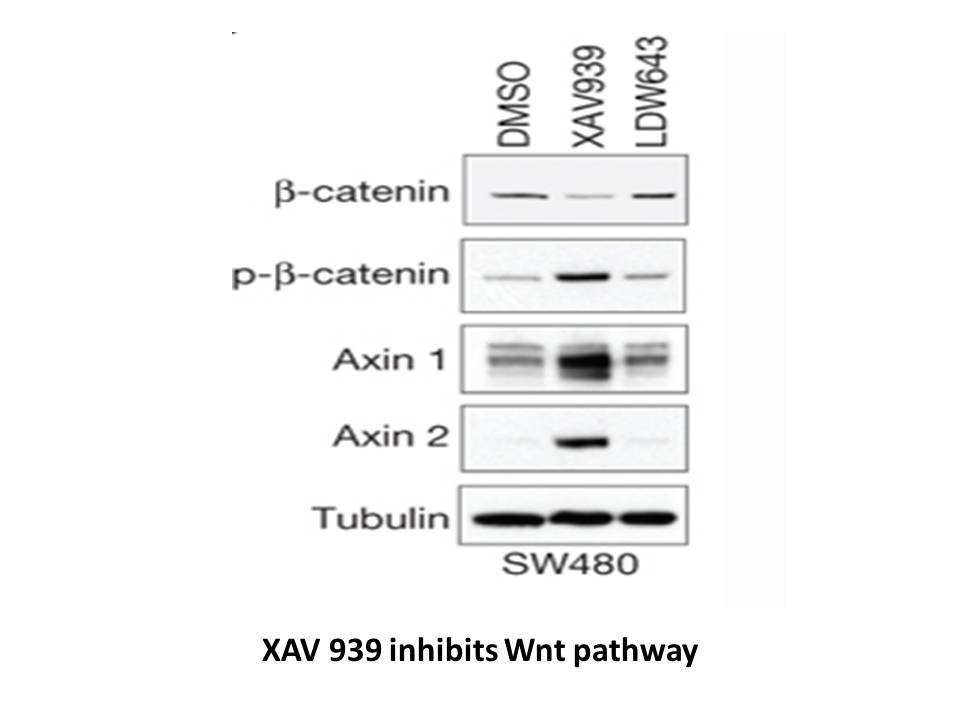
This relative lack of ET-1 expression in highly malignant epithelial b 35 could be explained by marked cellular anaplasia and cellular dysfunction; we also suggest that the high levels of VEGF, which have been evidenced in highly malignant mammary tumours (Restucci et al., 2002) may suppress ET-1 s
-
Among the Ub interactions observed
2019-10-02
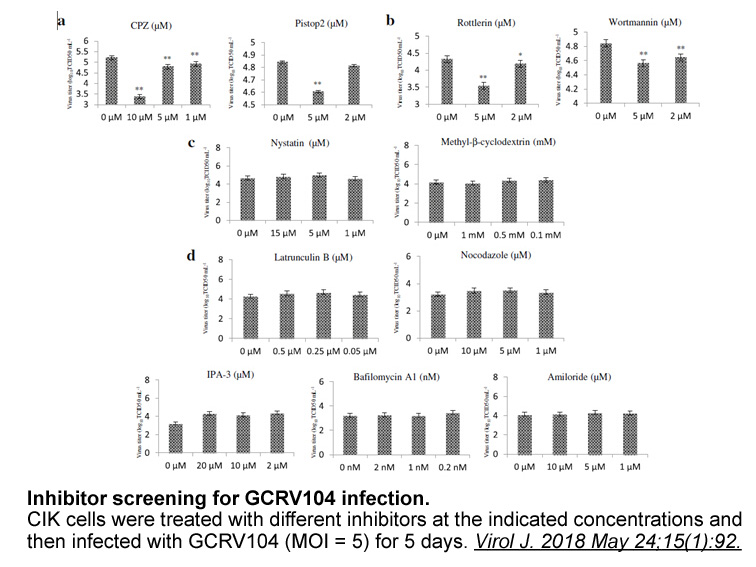
Among the ~Ub interactions observed in the HOIP structure is one that involves a RING2 domain (from the non-cognate HOIP) [47]. A similar binding interaction was defined between HHARI RING2 and the hydrophobic patch on Ub by NMR [54]. HHARI RING2 mutations that ablate the interaction inhibit formati
-
Uracil residues incorporated into DNA exist
2019-10-02
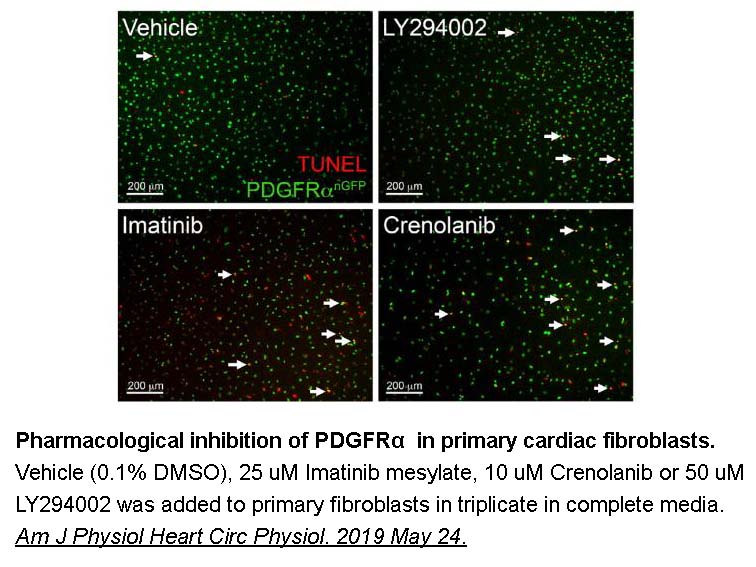
Uracil residues incorporated into DNA exist transiently since they are subject to removal by the multi-step uracil-initiated DNA cdk1 excision repair (BER) process [2], [14]. In E. coli, uracil-DNA BER is initiated by uracil-DNA glycosylase (Ung), which catalyzes the hydrolytic cleavage of the N-gl
-
Regarding the mechanism of action
2019-10-02
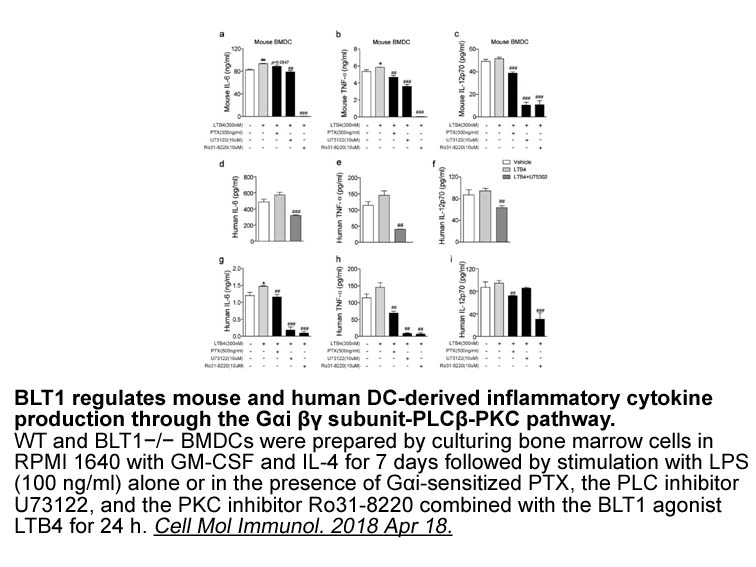
Regarding the mechanism of action of CRF, several studies have shown that low doses of CRF may preferentially activate CRF1 receptors in glutamatergic projection neurons, serotoninergic neurons or glutamatergic collaterals in the medial prefrontal cortex (Vertes, 2004). Indeed, prosencephalic inacti
-
GX-674 br Progestogens and autoimmune diseases br Conclusion
2019-10-02
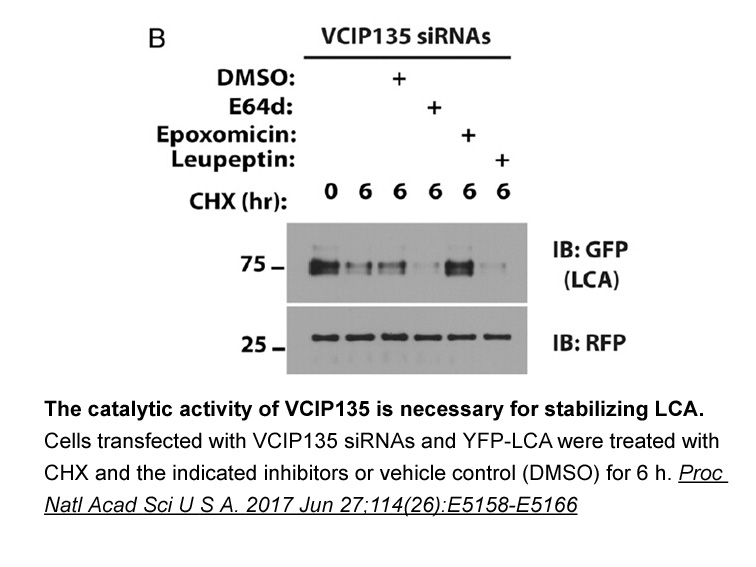
Progestogens and autoimmune diseases Conclusion Take-home messages Introduction The benefits of breastfeeding for both women and their infants are considerable [1], [2], [3]. The World Health Organization (WHO) recommends infants breastfeed exclusively during the first months of life [4]
-
Another interesting finding from the present study is that s
2019-10-02
Another interesting finding from the present study is that silencing of ERRγ suppressed the expression of HSD17B1 in extravillous trophoblasts. HSD17B1 is a key enzyme in regulating estrogen activity and has been shown to promote the proliferation and migration of estrogen-dependent breast cancer LE
-
Phenacetin pathway It has been reported that cAMP also acts
2019-10-02
It has been reported that cAMP also acts via Epac and Epac to attenuate CREB. However, in human monocytes ONO-AE1-329 (the EP4 receptor agonist used in this study) worked entirely through the cAMP-PKA pathway and not vis Epac [12]. Our data suggests that the cAMP-PKA-CREB pathway predominates for MU
16126 records 986/1076 page Previous Next First page 上5页 986987988989990 下5页 Last page